
How it works
Planned Water Shutdowns in Cape Town: Keeping Taps Running with a Backup Tank
By the WaterQuotes team · Published 2026-10-18 · 6 min read
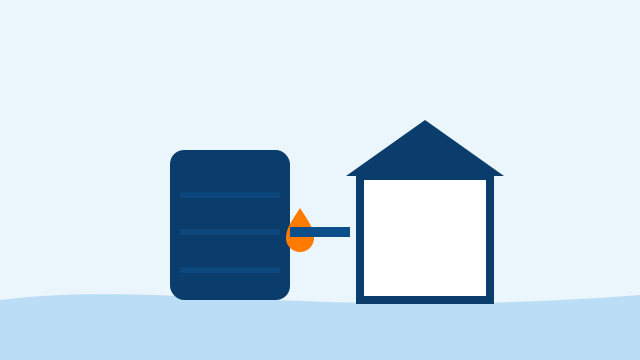
Cape Town’s water network is ageing in places, and the City runs a rolling programme of pipe replacements, valve upgrades and pressure-zone maintenance. That means planned shutdowns — sometimes a few hours, occasionally a full day or longer. The City does publish advance notices, but a published notice and an actual running tap are two different things. A backup tank-and-pump system bridges that gap. This article covers how to track Cape Town shutdown notices, what your system needs to cover, and how to size it sensibly.
How Cape Town notifies residents of planned shutdowns
The City of Cape Town publishes planned maintenance outages through its official website and its social media channels. Notices typically include the affected streets or suburbs, the scheduled start and end time, and a reason for the work. In practice, outages sometimes run longer than planned — pipe work rarely finishes exactly on the hour.
The most reliable habit is to bookmark the City’s water and sanitation notices page and check it at the start of each week. Some residents also follow the City’s official social accounts, which push notices for urgent or same-day changes. Neither method guarantees you’ll catch every notice, which is exactly why a stored water reserve at your own property is worth having regardless of how good the communication gets.
Why a backup tank and pump is the practical answer
A tank stores treated municipal water when pressure is available, and a pump pressurises it into your household plumbing when the mains go off. You don’t rely on the street pressure at all during an outage — the system runs off your own reserve.
For a planned shutdown of a few hours this sounds like overkill, but the real value shows up when the outage overruns, when an unannounced burst follows immediately after the planned work, or when a different kind of supply disruption catches you unprepared. A tank that’s sized and installed for planned shutdowns doubles as your buffer for everything else. You can read more about how the whole setup works in our guide on how a backup water system keeps water running.
The broader category of options — tanks, boreholes, rainwater harvesting — is covered on the backup water systems pillar page if you want to compare approaches before committing.
Sizing your tank for a Cape Town planned outage
Sizing comes down to three numbers: how many people are in the household, how long the outage is likely to last, and what water uses you consider essential during that window.
As a rough guide, South Africans use on average about 237 litres per person per day (IWA Water Policy figure). During a planned outage most households cut back sharply — drinking, cooking, toilet flushing and basic hygiene are the priorities. A working estimate of 50–100 litres per person per day covers those essentials without waste.
For a family of four covering a 24-hour outage at 75 litres per person, that’s 300 litres of usable storage minimum. Most installers recommend building in a margin, so a 500-litre tank is a common starting point for a small household and a 2,500–5,000-litre tank suits larger households or those who want a multi-day buffer. For a more detailed walk-through of the maths, the article on sizing a backup water system for a three-day outage covers the methodology step by step.
The tank position matters too. Ground-level tanks need a pump; elevated tanks can gravity-feed some fixtures without electricity. Both approaches work — the right choice depends on your roof structure, available ground space and what happens to your power during an outage.
A bit of guesswork out of sizing — a vetted installer can spec the right tank and pump for your suburb and household. Compare 3 free quotes — vetted installers, no obligation.
What a complete system typically costs (Johannesburg reference point)
WaterQuotes operates nationally and prices vary meaningfully by region, so treat these as a Johannesburg reference point rather than Cape Town figures — get local quotes to confirm.
In Johannesburg, backup tank-and-pump systems typically run R20,000–R40,000 for a standard residential setup, with whole-house configurations around R55,000. Pump units alone typically cost R15,000–R35,000 installed. Larger tanks, additional filtration or integration with existing rainwater harvesting will push costs higher.
Cape Town has a different installer market, different transport costs for tanks and different labour rates, so the only reliable number for your specific property is a quoted one.
| Household size | Recommended usable storage (24-hr outage) | Recommended usable storage (72-hr outage) |
|---|---|---|
| 1–2 people | 100–200 litres | 300–600 litres |
| 3–4 people | 200–400 litres | 600–1,200 litres |
| 5–6 people | 350–600 litres | 1,050–1,800 litres |
Based on 75 litres per person per day for essential use. Adjust upward if you have a garden, pool or medical water needs.
Water quality in your tank
Municipal water stored in a sealed, food-grade tank stays safe to drink for roughly a few days if the tank is clean and protected from sunlight. Beyond that, bacterial growth becomes a concern. If you’re storing water for longer periods or if you’re uncertain about your tank’s condition, a basic inline filter or UV steriliser at the point of use gives an extra layer of protection.
South Africa’s drinking-water quality standard is SANS 241 (2024 edition). The water entering your tank from the municipal supply should already meet that standard. Once it’s in your tank, maintenance — periodic cleaning and inspection — is your responsibility.
If you’re considering adding a filter, make sure any system you install is compatible with the pump and plumbing configuration, and that any claims about treatment performance reference SANS 241 compliance. Your installer should be able to advise.
Water quality and tank spec go hand in hand — the right installer will design around both. Get matched with up to three installers — no obligation, no sales calls from WaterQuotes itself.
Practical steps before the next shutdown notice
Tracking notices and having a tank are both useful — but a few habits make the whole system more reliable:
Check notices early in the week. Cape Town’s planned shutdowns are typically published a few days in advance. A Monday check gives you time to fill your tank before the work starts.
Keep your tank topped up, not run-down. Some households only fill the tank when a notice appears. That works if the pump and float valve are reliable, but if there’s an unannounced burst or the notice goes out with less warning than usual, starting from a full tank is always better.
Know your isolation valve. When mains pressure drops suddenly, air can enter pipes and cause issues when pressure returns. Knowing where your property’s isolation valve is — and how to close it — protects your internal plumbing during extended outages.
Test the pump quarterly. A pump you haven’t run in months may not start when you need it. A brief test every three months takes two minutes and catches problems before an outage does.
CapeTonians are no strangers to water stress, and a backup system is one of the few home investments that pays off whether the problem is a planned shutdown, an unplanned burst or a broader supply constraint. Getting the sizing and installation right from the start means you’re not retrofitting in a hurry when the notice lands.
Quick answers
Where do I find Cape Town planned water shutdown notices?
The City of Cape Town publishes planned maintenance outages on its official website under water and sanitation notices, and pushes urgent updates through its official social media channels. Bookmarking the notices page and checking it weekly is the most reliable approach. Notices typically include the affected area, scheduled timing and reason for the work.
How long do Cape Town planned water shutdowns usually last?
Duration varies depending on the type of work — valve replacements and pressure tests may take a few hours, while pipe replacement sections can run a full day or longer. Published end times are estimates; overruns are common in practice. It's sensible to size your backup tank assuming the outage runs several hours longer than scheduled.
Can I use any tank for backup water storage, or does it need to be food-grade?
Any tank storing water intended for drinking or cooking should be food-grade (typically HDPE or fibreglass with a food-safe rating). Non-food-grade tanks can leach chemicals into the water. Check with your installer or the tank manufacturer before purchasing, and make sure the tank is UV-resistant if it will be exposed to direct sunlight.
Do I need a pump if I install an elevated tank?
Not always. An elevated tank at sufficient height can gravity-feed toilets, taps and showers without a pump, which is useful during power outages too. However, most standard household plumbing assumes municipal pressure, so gravity flow may be low for showers or appliances on upper floors. A pump is usually recommended for whole-house reliability, and your installer can advise based on your roof height and layout.
Is backup tank water safe to drink after the outage ends?
Water stored in a clean, sealed, food-grade tank from a municipal supply that meets SANS 241 (2024 edition) is generally safe for a few days. After that, bacterial growth is a risk. For longer storage periods, a UV steriliser or inline filter adds a practical safety margin. Drain and clean your tank periodically — at least once a year — to prevent sediment and biofilm build-up.
Sources & notes
Pricing reflects typical Johannesburg market ranges and is confirmed by installer quotation. References: City of Cape Town
Ready to compare? Get up to 3 quotes from vetted backup water systems installers in Johannesburg — free, no obligation.
Get 3 free quotes